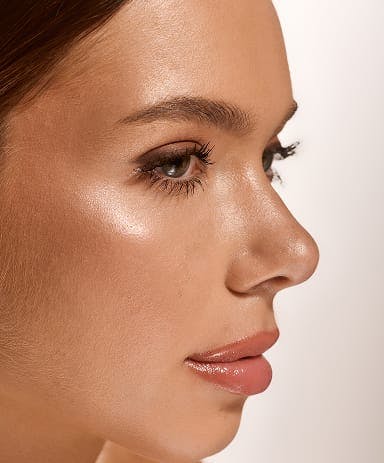
Beauty From WithinRegenerative Skin Health

Modern skin rejuvenation is shifting beyond surface-level correction alone. Many guests now seek treatments that support the skin's healing, regeneration, and function beneath the surface. Topical exosomes are part of a regenerative, science-driven approach that supports cellular communication, skin recovery, and overall skin quality through biologically focused treatment planning. The goal is healthier, more resilient skin that continues improving gradually over time, giving you beauty from within.

Grid texture background

What Are Topical Exosomes?

Topical exosomes are designed to support healing, collagen remodeling, and skin renewal following exfoliating or minimally invasive skin treatments.

Exosomes are microscopic extracellular “messengers,” each containing growth factors, peptides, proteins, and signaling molecules involved in tissue repair and cellular communication.

When applied topically after treatments such as RF Microneedling or laser resurfacing, they help support the skin’s natural regenerative processes and optimize recovery.


woman smiling touching face

What Treatments Should I Use Exosomes With?

Exosome therapy is commonly integrated alongside:

  • RF Microneedling
  • Laser resurfacing
  • Corrective skin treatments
  • Skin tightening procedures
  • Collagen-supportive therapies

This layered approach allows treatments to work more effectively beneath the skin.

Regenerative Treatments The New Aesthetic Norm

Traditional aesthetic treatments often focus primarily on correcting visible concerns after they appear. Regenerative therapies shift the focus toward improving how the skin behaves and heals over time. Patients are increasingly interested in treatments that support healthier collagen activity, tissue repair, resilience, and long-term skin quality. This regenerative philosophy aligns naturally with modern longevity-focused aesthetics and wellness care, all delivered under one roof at Lume.

Background media
Contact us media Contact us media

Schedule a Consultation

Contact us media

Who Is a Candidate for Topical Exosomes?

Topical exosomes may be appropriate for guests undergoing advanced rejuvenation treatments who want additional regenerative support for healing, collagen stimulation, and overall skin quality.

How Exosomes Support Skin Recovery

Following treatments that intentionally stimulate controlled injury and collagen remodeling, the skin enters a healing and renewal phase. Topical exosomes facilitate communication among cells involved in this regenerative process, promoting healthier recovery and improved skin renewal beneath the surface.

Results Develop Gradually

Topical exosomes are designed to support the skin’s natural regenerative processes over time rather than create immediate dramatic change. Patients often notice gradual improvement in skin texture, recovery, hydration, resilience, and overall quality as collagen remodeling and tissue renewal continue developing beneath the surface over the following weeks and months.

Background media

Frequently Asked Questions Topical Exosomes in Chicago

Are topical exosomes safe for sensitive skin?

Topical exosomes may be appropriate for many sensitive skin types because they are often used to support healing, reduce visible inflammation, and improve overall skin recovery. Most guests tolerate the treatment quite well.

Can topical exosomes help acne scars?

Yes. Topical exosomes are commonly paired with collagen-stimulating treatments such as RF Microneedling and laser resurfacing to help improve acne scarring, skin texture, and overall skin regeneration.

Do topical exosomes stimulate collagen production?

Topical exosomes support cellular signaling involved in collagen remodeling and tissue repair, particularly when combined with treatments that stimulate regenerative activity beneath the skin.

Can exosomes help skin heal faster after laser treatments?

Yes. Topical exosomes are frequently used after laser resurfacing and RF Microneedling because they may help support calmer healing, reduce visible inflammation, and optimize post-treatment recovery.

How long do exosome treatment results last?

Results vary depending on the treatment plan, skin condition, and procedures being paired with exosomes. Many guests maintain results through consistent skin treatments and long-term regenerative skincare strategies.

Are exosomes better than PRP for skin rejuvenation?

Exosomes and PRP work differently, and the best option depends on your skin condition, treatment goals, and overall rejuvenation plan. During consultation, your highly trained Lume aesthetician can help determine which regenerative approach is most appropriate for you.

Can topical exosomes improve skin texture and reduce pore size?

When combined with treatments such as Microneedling or resurfacing, topical exosomes may help support smoother skin texture, improved skin quality, and overall refinement over time.

Why Choose Lume for Topical Exosomes

Patients choose Lume because regenerative treatments here are thoughtfully integrated into broader skin health, full-body health, and longevity strategies. Recommendations are based on skin condition, healing response, treatment goals, and long-term rejuvenation priorities. There is nothing trendy or transactional about it; it is a long-term view for your continued wellness.

Helping you feel, look, and function at your best in every stage of life is what we live for here at Lume.

Advanced technologies, medically guided protocols, and an elevated patient experience make treatments feel both innovative and approachable for our distinguished guests. We invite you to visit Our Space to learn more.

Banner media

Begin With a Comprehensive Consultation for Topical Exosomes in Chicago, IL, Today

Take a moment to understand your skin and what’s right for its long-term health and radiance. Call (312) 285-2004 today to schedule your comprehensive consultation.

Texture background Texture background
Texture background
Accessibility: If you are vision-impaired or have some other impairment covered by the Americans with Disabilities Act or a similar law, and you wish to discuss potential accommodations related to using this website, please contact our Accessibility Manager at (312) 285-2004.