
When we think of relaxation and healing, warm baths and hot showers are the usual go-to. But how many of us have watched a sport-centric film that doesn’t include a scene with a strained athlete struggling through a much-needed ice bath?
Does a therapy that uses freezing temperatures actually restore our bodies and help our muscles heal when we’re in pain?
The answer is yes! Therapies involving exceptionally cold temperatures are increasingly preferred treatments for managing pain and stress in adults. Studies show that this type of treatment, known as cryotherapy, offers various health benefits, including relieving pain, alleviating migraines, and treating skin conditions.
With more and more wellness spas and clinics offering the treatment, cryotherapy is an increasingly accessible remedy for whole-body healing.
Basics of Cryotherapy
Most people have experienced some sort of cold therapy in their lifetime. Ice baths, cold packs, and coolant sprays are just a few common methods of day-to-day cryotherapy. But the therapeutic treatment that is increasing in popularity today is a far more nuanced, rigorous form of healing.
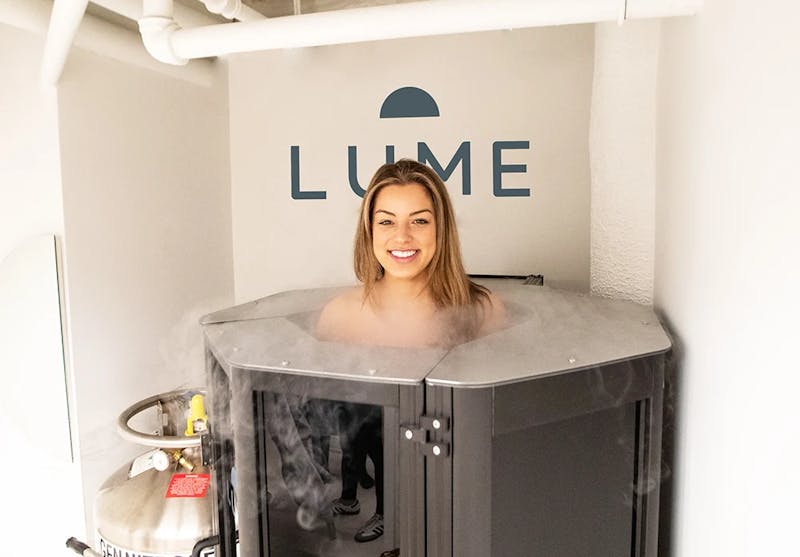
Cryotherapy involves sitting in a chamber for 1 to 4 minutes at freezing temperatures. Cryotherapy booths are cooled with liquid nitrogen, which produces a chilling vapor that is 150ºF to 300ºF below zero.
The vapor thrusts our body into action, triggering nerve receptors and unleashing endorphins. These endorphins help reduce bodily pain and promote a refreshed, invigorated feeling after leaving the booth. It might seem counterintuitive to try a therapy that introduces your body to temperatures that don’t even occur naturally on Earth, but scientists and medical experts from across the globe agree that cryotherapy has definite health advantages.
What Are The Health Benefits?
Since its introduction, doctors and guests alike have seen cryotherapy’s numerous benefits. People with rheumatoid arthritis and fibromyalgia experience significant pain loss that continues for hours after a session is finished. Alongside temporary relief, this treatment’s numbing of nerve irritation can help anyone engaged in prolonged physical activity. Cryotherapy also diminishes soreness and muscle stiffness, making it an ideal treatment for chronic pain.
Psychological improvements, alongside physical ones, can be attributed to the exposure of cryotherapy’s extreme temperatures. The subzero vapor forces hormonal responses from the body, releasing adrenaline and other feel-good endorphins. This can greatly improve anxiety, depression, and other mood disorders. Taking care of the mind, as well as the body, is the key to a sustainable, healthy lifestyle.
What Happens After Cryotherapy?
Just after cryotherapy, you’ll experience a refreshing rush of endorphins, the “feel-good” hormone, just after exiting the chamber. Though you might be chilly for a moment, don’t worry about being cold for the rest of the day, because within minutes your body will return to an average temperature.
Some people notice a tingling sensation on their skin after their cryotherapy is over. The most common feeling, though, is the noticeable decline of joint and muscle pain. Treatment participants notice that muscle tension and discomfort begin to resolve almost immediately after a session ends.
Once the refreshed feeling wears off, cryotherapy users are likely to experience sustained energy throughout the day. While ice baths can cause your muscles to contract, this treatment promotes blood circulation and helps your vital organs receive blood more rapidly. Regular cryotherapy allows avid exercisers to work out longer and experience less fatigue. Getting back to your gym routine without enduring body pain is one of the best benefits of repeated cryotherapy.
How Long Will It Take To Heal?
Physical problems and injuries are no match for cryotherapy’s whole-body relief. That said, not all ailments heal the exact same way or in the same timeframe.
Using cryotherapy after surgery is a sure way to hasten your recovery. This treatment has been shown to reduce post-op stress and alleviate pain and inflammation that occur after undergoing an operation.
The shocking cold inside the chambers forces the body into survival mode, triggering your natural defenses. While this might not solve all issues regarding post-surgery pain, cryotherapy naturally boosts the healing process and lets you get back to normal life sooner.
Healing from back pain or arthritis depends on the number of cryotherapy sessions you try. People experiencing back pain and who’ve undergone cryotherapy feel relief even a week after one session. Routine treatment is recommended to keep the pain away and allow you to have more comfortable days without excessive soreness.
The healing of skin abrasions, muscular pain, or inflammation can take time, so don’t be dissuaded if you aren’t immediately cured. Long-term or significant effects of cryotherapy are more apparent after eight to ten cycles.
Are There Any Drawbacks?
The simple answer is no: cryotherapy doesn’t have harmful effects on your body.
When you exit the therapy chamber, you might feel stinging, numbness, or itching on the skin. These effects are completely harmless and usually disappear within a few hours. If you’re worried about exposing your skin to the vaporized nitrogen, studies show it is completely safe for your skin tissue, even at freezing temperatures.
As with any medical treatment, it’s important to talk to your doctor if you have reservations. Older folks and people with chronic illnesses should check with a physician before signing up, ensuring that cryotherapy is the right treatment.
In these stressful times, eliminating pain, strain, and undue pressure is something we all deserve. Cryotherapy’s soothing quality makes it the premier treatment for the mind, body, and soul. Incorporate this remarkable and non-invasive therapy, beloved by top-tier athletes, to ensure your ultimate healing goals.